
A manuscript that is sound can still face desk rejection if it does not match the target publisher’s formatting requirements. IEEE, Elsevier, and Springer each maintain distinct expectations around citation style, structure, and submission format. Treating all three the same is one of the more common mistakes. Saudi researchers make this mistake when preparing a manuscript for submission.
This guide breaks down what each publisher actually expects, so your paper gets recognition for its science and does not face rejection for its formatting.
Why Publisher-Specific Formatting Matters More Than Researchers Expect?
خدمات النشر العلمي المتخصصة تؤكد دائما على نقطة مهمة يغفل عنها كثير من الباحثين، وهي أن التنسيق الخاص بكل ناشر ليس تفصيلا شكليا بسيطا، بل شرط أساسي يفحصه المحررون قبل إرسال البحث للتحكيم العلمي أصلا.
Editors at major publishers screen incoming manuscripts for basic formatting compliance before the paper ever reaches peer reviewers. A manuscript that ignores the target publisher’s citation style, structure, or submission template signals to an editor that the author has not carefully prepared the submission, which can result in an immediate desk rejection regardless of the quality of the underlying research.
IEEE Paper Editing Requirements
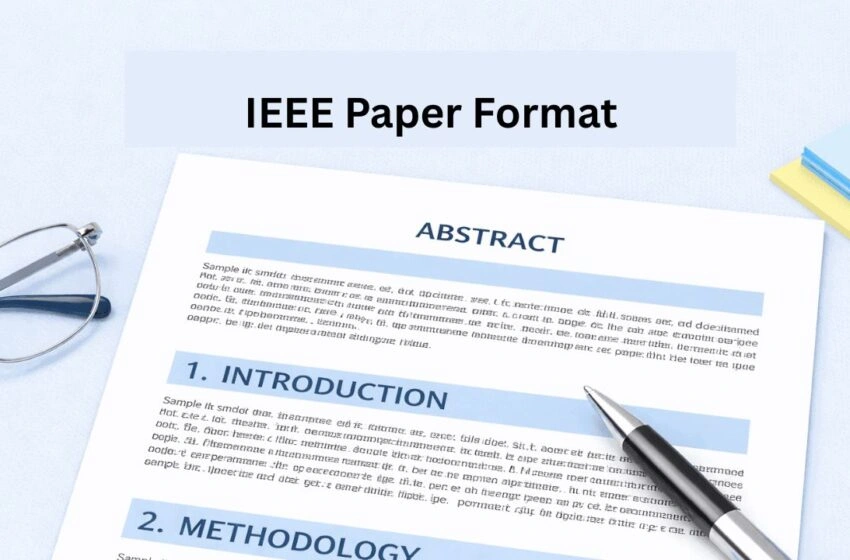
The IEEE paper editing Saudi Arabia researchers need for conference and transaction papers follows a distinctive citation style, using numbered references in the order they appear in the text, along with a specific structural format that differs from typical journal article structure in other publisher families. IEEE templates enforce strict rules for column formatting, figure placement, and abstract length. Editors frequently flag submissions that do not closely follow the official IEEE template during the initial editorial screening, before technical review begins.
Researchers submitting to IEEE venues should always download and use the latest official IEEE template for their specific conference or Transactions journal. IEEE periodically updates its templates, so an outdated version can create formatting mismatches even when authors believe they follow IEEE style correctly.
Elsevier Manuscript Editing Requirements
Elsevier manuscript editing: Saudi Arabian researchers should account for the fact that Elsevier publishes hundreds of individual journals, each with its own specific author guidelines within a broadly shared house style. A manuscript that goes through proper formatting for one Elsevier journal is not fit for a different Elsevier journal, even within the same subject area.
Elsevier generally expects a structured abstract, a clearly defined highlights section for many journals, and reference formatting that varies by individual journal rather than being uniform across the entire publisher. Checking your specific target journal’s current author guidelines page directly, rather than assuming general Elsevier style applies uniformly, avoids a common and easily preventable formatting mismatch.
Springer Manuscript Editing Requirements
Springer manuscript editing: Saudi Arabian researchers commonly encounter a similar pattern to Elsevier, where individual journals within the Springer portfolio maintain their own specific formatting requirements layered on top of a general house style. The Springer journals frequently specify particular requirements around structured abstracts, keyword counts, and reference style that can differ meaningfully between a Springer engineering journal and a Springer medical journal, for example.
It also maintains specific requirements around supplementary material formatting and data availability statements that have become more strictly enforced in recent years, and overlooking these newer requirements is an increasingly common reason for revision requests even when the core manuscript formatting is otherwise correct.
A Practical Pre-Submission Formatting Checklist
Before submitting to any of these three publishers, confirm the following directly against your specific target journal’s current author guidelines page, not a general publisher-wide summary. Citation and reference style matched exactly to the specific journal, not just the broader publisher family. Structural requirements, including whether a structured abstract or highlights section is required. Figure and table formatting, including resolution and placement requirements. Word count and section length limits, which vary meaningfully even within the same publisher’s journals. Supplementary material and data availability statement requirements, which are increasingly enforced and easy to overlook.
Common Formatting Mistakes That Trigger a Desk Rejection
A few specific mistakes show up repeatedly across submissions from researchers unfamiliar with a particular publisher’s expectations. Submitting a manuscript formatted according to one publisher’s style to a completely different publisher, often because of a template from a previous submission was reused without updating it for the new target journal. Using an outdated version of a publisher’s template, which can happen when a researcher downloads a template once and continues reusing it across multiple submissions over several years without checking for updates. Missing a required structured abstract or highlights section that a specific journal requires even though the broader publisher family does not universally require it. Exceeding word count or section length limits that are enforced strictly at some journals and more flexibly at others within the same publisher, creating confusion when a researcher assumes consistency that does not actually exist.
Why This Matters Even More at the Q1 and Q2 Level
Formatting compliance tends to matter even more as the target quartile increases, simply because higher-ranked journals typically receive a higher volume of submissions and have less operational reason to overlook a formatting issue rather than desk reject and move to the next submission in the queue. A Q1 Elsevier or Springer journal reviewing dozens of submissions in a given week is considerably less likely to make an exception for formatting non-compliance than a lower quartile journal actively seeking submissions to fill its issues.
Getting Support With Publisher-Specific Manuscript Editing
Matching a manuscript precisely to IEEE, Elsevier, or Springer’s specific requirements for your exact target journal takes close familiarity with each publisher’s current guidelines, which change periodically and differ meaningfully between individual journals within the same publisher family. Mars Publications supports Saudi researchers with journal manuscript editing standards that account for these publisher-specific differences directly.
Our manuscript editing services include formatting verification against your specific target journal’s current guidelines. If your target venue is an IEEE conference or transactions journal, our existing IEEE guidance page, already live on Mars Publications, covers formatting specifics directly. If you are submitting to a Wiley journal instead, our existing guide on what authors should fix before submitting to Wiley journals covers that publisher’s specific requirements.
Frequently Asked Questions
Can formatting really get a scientifically strong paper rejected?
Yes, particularly during desk screening. Editors often check basic formatting compliance before sending a manuscript to peer reviewers. If a paper ignores the target publisher’s required template or citation style, editors may reject it before reviewers evaluate its scientific content.
هل تختلف متطلبات التنسيق بين مجلات الناشر الواحد مثل Elsevier أو Springer؟ نعم، فكل مجلة ضمن نفس دار النشر قد تضع متطلبات تنسيق مختلفة قليلا، مثل طول الملخص المهيكل أو أسلوب المراجع، لذلك يجب دائما التحقق من إرشادات المجلة المحددة وليس الاعتماد على النمط العام للناشر فقط.
Do IEEE, Elsevier, and Springer use the same citation style?
No. IEEE uses numbered references in order of appearance, while Elsevier and Springer journals vary by individual journal, often using author-date or numbered styles depending on the specific journal’s guidelines, which should always be confirmed directly.
كيف أتأكد من أن بحثي منسق بشكل صحيح قبل التقديم لمجلة IEEE؟ يجب تحميل القالب الرسمي الحالي الخاص بالمؤتمر أو المجلة المستهدفة مباشرة من موقع IEEE، والتأكد من مطابقة تنسيق الأعمدة، وترتيب الأشكال، وطول الملخص لمتطلبات القالب بدقة قبل التقديم.
How often do publisher formatting requirements change?
Publishers update their author guidelines periodically, sometimes annually, and newer requirements around data availability statements and supplementary material have become more strictly enforced in recent years, so always check the current guidelines rather than relying on a previous submission’s formatting.